Blind Test: Apple Iphone 17E vs Nothing Phone 4A Hands On - Which is Actually Better?
Introduction
Smartphone buyers increasingly face a crowded marketplace where design, software, camera performance, and long-term value all matter. This blind hands-on comparison pits two very different philosophies against each other: Apple's tightly integrated iPhone line and Nothing's design-forward Android alternatives. The Apple iPhone 17E and the Nothing Phone 4A both target users who care about everyday performance, camera flexibility, and style — but they approach those priorities differently.
This article breaks down real-world impressions from hands-on testing and day-to-day use cases: commuting, social media content creation, long workdays, and light gaming. It focuses on what buyers typically care about — display clarity, camera reliability in mixed lighting, battery endurance, software experience and updates, build quality, and value for money. The goal is practical: given typical needs and trade-offs, which phone is the better choice?
Head-to-Head Product Analysis
Design and Build Quality
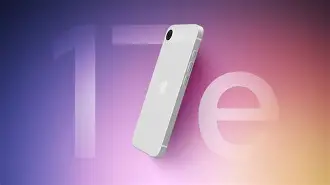
The iPhone 17E continues Apple's long-standing emphasis on refined materials and a conservative aesthetic. In hand, the iPhone feels solid, with tight tolerances and a weight that signals durability. Buttons, mute switch behavior, and haptics are familiar — precise and consistent. Those who prioritize a premium hand-feel and a device that conveys longevity will find the iPhone reassuring.
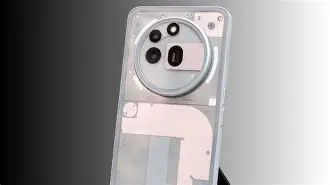
The Nothing Phone 4A leans into visual personality. It favors translucency, distinctive accents, and a visible design language intended to stand out on a desk or in a pocket. Where the iPhone aims to be discreetly premium, the Nothing phone actively courts attention. For users who want a device that doubles as a design statement, the Nothing Phone 4A will appeal.
Display and Daily Use
Both phones employ OLED technology, offering deep blacks and punchy contrast. The iPhone's tuning emphasizes color accuracy and natural tones out of the box — useful for photographers and professionals who rely on consistent color rendering. The Nothing Phone 4A tends to push slightly more saturated presets, which makes media pop on social feeds but may require adjustment for color-critical tasks.
Refresh behavior and touch responsiveness are smooth on both phones. In real-world navigation, app scrolling, and animations, both deliver fluid experiences. The iPhone's polished system animations and app ecosystem feel especially cohesive, while the Nothing Phone's interface provides more visible personalization and theming options.
Performance and Software
The iPhone 17E benefits from Apple's vertically integrated hardware and software approach. The result is fluid app performance, consistent multitasking, and tight power management. For users who value long-term software updates and sustained performance under load, Apple's ecosystem delivers predictable results.
Nothing's Phone 4A runs Android with a manufacturer skin that emphasizes customization. Performance is competitive for day-to-day tasks, social apps, and casual gaming. Power users who push many background tasks or demand the very highest sustained GPU performance for gaming might see differences — but for most common workloads, the experience is more than adequate.
Camera System in Real-World Conditions
Cameras are often decision drivers. In mixed indoor/outdoor scenarios, the iPhone 17E produces consistently natural images with reliable auto white balance and exposure. Video capture is similarly polished, with stable image processing and dependable dynamic range in typical shooting situations — social videos, family moments, and quick clips for work use.
The Nothing Phone 4A aims to impress with characterful images and features that appeal to social users: lively colors and filters that make everyday shots stand out. Low-light performance is competitive for a mid/high-range Android device, but in tight dynamic-range challenges the iPhone's processing often produces more usable detail without aggressive noise suppression.
Shop the latest Mobile Phones picks on Amazon.
See Deals →Battery Life and Charging
Battery performance depends heavily on usage patterns. Under moderate use — messaging, some navigation, social media, and light media playback — both phones comfortably reach the end of a typical day. The iPhone's power management and app optimization give it an efficiency advantage in some mixed-use scenarios. The Nothing Phone 4A compensates with generally larger battery capacities in its segment and fast wired charging options that quickly get users back to full use.
Wireless charging ecosystems remain an iPhone strength for users invested in MagSafe-style accessories. Nothing's approach focuses on fast wired charging and practical battery capacity for users who prioritize quick top-ups.
Software Updates, Ecosystem, and Longevity
Apple's update policy and tight hardware-software integration are strong selling points. Buyers who prioritize long-term support and seamless continuity across devices (tablets, laptops, wearables) will find the iPhone attractive. Shared services, a mature app marketplace, and continuity features make the iPhone a low-friction choice for multi-device households.
Nothing offers an Android experience with more customization and choice. While update cadences can vary by manufacturer and model, Nothing has been working to establish a predictable update policy. Buyers who value personalization, or who prefer Google's ecosystem and third-party flexibility, will appreciate the Nothing Phone 4A.
Durability and Repairability
The iPhone series typically emphasizes water resistance and premium glass finishes. That gives the iPhone good resilience against everyday accidents. Repairability varies by model and region, but Apple has improved access to parts and repair documentation in recent years.
Nothing promotes modularity in some areas and tends to emphasize easier access to core components, but repairability still depends on the exact device architecture and regional service networks. For buyers who plan to keep a phone for many years and perform occasional repairs, checking authorized service options is recommended.
Practical Real-World Use Cases
- Commuters: Both phones handle navigation, messaging, and streaming, but the iPhone's ecosystem and optimized app behavior reduce background interruptions and deliver consistent battery life.
- Content creators: The iPhone offers dependable color and video processing for creators who want predictable results; Nothing provides a more stylized look that can reduce post-processing for social-first content.
- Business users: Apple's security model, update timetable, and ecosystem integrations make it easier to manage corporate workflows, while Nothing appeals to those seeking flexibility and personalization.
- Value-conscious buyers: The Nothing Phone 4A gives distinct design and strong everyday performance without the premium price tag associated with Apple.
Pros & Cons
Apple iPhone 17E
- Pros:
- Consistent, polished performance and system animations
- Reliable camera processing across lighting conditions
- Strong long-term software update support and ecosystem integration
- Premium build quality and water resistance
- Cons:
- Less visual customization than many Android alternatives
- Accessories and repairs can be costlier
- Price-to-spec ratio may be less favorable for budget-minded buyers
Nothing Phone 4A
- Pros:
- Distinctive design and personalization options
- Competitive everyday performance for most users
- Generally strong value compared with premium competitors
- Fast wired charging and practical battery capacities
- Cons:
- Software update promises may lag behind Apple's long-term support
- Camera processing favors punchy aesthetics over strict color fidelity
- Service and repair networks are less widespread than Apple’s in many regions
Comparison Table
| Category | Apple iPhone 17E | Nothing Phone 4A |
|---|---|---|
| Design | Conservative, premium materials, tight fit and finish | Translucent/statement design, distinctive accents and visible elements |
| Display | OLED with natural color tuning and smooth animations | OLED with vivid tuning and strong contrast for social media |
| Performance | Highly optimized across apps; consistent real-world speed | Competitive for everyday use; good multitasking for typical users |
| Camera | Reliable, natural processing; steady video performance | Punchier images aimed at social sharing; strong daylight results |
| Battery & Charging | Efficient power management; strong all-day performance in normal use; wireless ecosystem | Generous capacity and fast wired charging; practical for heavy daytime use |
| Software & Updates | Long-term updates and seamless ecosystem integrations | Customizable Android experience; update cadence improving but varies |
| Repair & Service | Wide service network and official parts; repair costs vary | Repairability depends on region; some design-specific parts may be pricier |
| Best For | Users who want longevity, consistent performance, and ecosystem features | Users who prioritize design, personalization, and strong value |
Buying Guide: How to Choose Between These Two
Selecting the right phone comes down to priorities. The following guide helps match buyer needs to strengths of each device.
1. Consider the Ecosystem
If interoperability with a tablet, laptop, or wearable already in the household is important, the iPhone is the straightforward choice. Apple's continuity features reduce friction for handoffs, media sharing, and device setup. The Nothing Phone 4A integrates well with Google services and third-party hardware, offering more flexibility but less frictionless continuity across different categories of devices.
2. Evaluate Camera Needs
Casual photographers and social media users who prefer punchy, attention-grabbing images may prefer the Nothing Phone 4A's characterful output. Buyers who need reliable, natural-looking photos and video for semi-professional uses, documentation, or consistent color reproduction should favor the iPhone.
Discover deals on Mobile Phones — updated daily.
See Deals →3. Think About Long-Term Support
Software updates, security patches, and sustained performance over years are important for many buyers. If one plans to keep a phone for four or more years, Apple's track record for long update windows is a clear advantage. Nothing is improving its update promises, but buyers should check the current policy and support timeline before committing.
4. Prioritize Battery and Charging Preferences
Those who frequently top up during the day and want the fastest possible wired charging will find the Nothing Phone 4A compelling. Users invested in wireless accessory ecosystems, or who value battery efficiency through software optimization, may find the iPhone a better fit.
5. Design and Personal Expression
How a phone looks and feels matters. The Nothing Phone 4A is for buyers who want a statement piece — a conversation starter. The iPhone suits users who prefer understated luxury and a device that integrates unobtrusively into a broader tech wardrobe.
6. Repairability and Service Access
Check local repair network availability. Apple has wide global support, while Nothing’s network is growing but varies by country. For buyers in regions with limited third-party support, Apple’s service reach can be a decisive factor.
7. Value Considerations
Budget-conscious buyers should weigh long-term cost, including accessories and potential repair expenses. The Nothing Phone 4A typically offers strong upfront value, but total cost of ownership depends on how long the user keeps the device and whether they rely on long-term software updates.
Conclusion
In this blind hands-on comparison, neither phone is strictly "better" for everyone — each serves different priorities. The Apple iPhone 17E excels at delivering a cohesive, dependable experience with long-term software support, consistent camera results, and a premium build. The Nothing Phone 4A stands out for design personality, customizable software, and a value proposition that appeals to users who want standout aesthetics without sacrificing everyday performance.
Buyers should pick based on the use cases that matter most: choose the iPhone for longevity, ecosystem convenience, and consistent, predictable performance; choose the Nothing Phone 4A for distinctive design, personalization, and strong day-to-day value. Ultimately, both phones are capable companions for modern mobile life — the "better" choice depends on which trade-offs a buyer is willing to accept.