A Professional's Take on the New K70 Pro Tkl
Introduction
The K70 Pro Tkl arrives in a crowded market of compact mechanical keyboards aimed at gamers, professionals, and enthusiasts who want a balance of performance and desk space efficiency. Tenkeyless (TKL) layouts remove the numeric keypad to reclaim space while preserving arrow keys and common navigation clusters — a layout many buyers prefer for both gaming and productivity. This review examines the K70 Pro Tkl from a professional perspective, focusing on build quality, switch options, typing and gaming performance, software and customization, real-world use cases, and purchase considerations that matter to discerning buyers.
Design and Build Quality
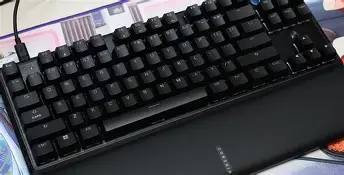
The K70 Pro Tkl’s design language leans toward functional minimalism with an emphasis on materials and finish. The top plate is typically machined or brushed metal, giving the keyboard a solid, inert feel that reduces flex under typing. Weight and base stability are important for both gamers who perform rapid, forceful inputs and professionals who want a steady platform for long typing sessions — this is an area where the K70 Pro Tkl generally performs well.
Edge finishing, bezel size, and the presence of a detachable cable are pragmatic details that affect daily use. A detachable USB-C cable makes the board easier to pack for travel and simplifies replacement if a cable fails. Rubber feet, adjustable tilt legs, and a low-profile frame contribute to ergonomics; an included soft-touch wrist rest can be a welcome addition for extended typing, though some users will prefer a third-party rest tailored to their posture.
Switches, Stabilizers, and Keycaps
Switch choice is one of the most decisive factors for buyer satisfaction. The K70 Pro Tkl is offered with a range of mechanical switches — linear, tactile, and clicky — from reputed switch manufacturers, and may also be available with the brand’s proprietary optical or hybrid switches in certain configurations. For buyers focused on gaming, linear switches provide consistent actuation with minimal tactile interruption. For typists and mixed-use buyers, tactile switches that offer a slight bump can improve accuracy and typing rhythm.
Stabilizers under larger keys (spacebar, enter, shift) have a major impact on acoustics and feel. Well-tuned, clipped, and lubed stabilizers reduce rattle and produce a more premium sound profile. Keycap material and profile also change the experience: doubleshot or high-quality PBT keycaps resist shine and provide a textured, durable surface compared with thin ABS keycaps that may wear faster. Buyers who care about longevity and typing feel should prioritize configurations with PBT keycaps and proven stabilizer tuning.
Typing and Gaming Performance
From a professional standpoint, performance is measured across several axes: key feel, actuation consistency, debounce and latency behavior, and the keyboard’s behavior under heavy macro usage. The K70 Pro Tkl is engineered to deliver consistent actuation across the board, which matters during high-speed gaming sequences and when touch-typing long passages. A robust firmware and quality-switch pairing help maintain consistent travel and actuation points over time.
Latency is a critical concern for competitive gamers. Wired connections remain the gold standard for the lowest input lag, and a K70 Pro Tkl that prioritizes a clean USB implementation and stable polling rate will be best suited for esports-level play. For content creators and office users, reliability and a pleasing acoustic signature are often more important than split-second latency; in those contexts, switch choice and stabilizer quality influence perceived comfort and typing speed more than microseconds of latency.
Software and Customization
Extensive customization is a hallmark of the premium TKL segment. The K70 Pro Tkl is typically supported by a feature-rich configuration suite that enables per-key remapping, macro recording, lighting profiles, and hardware profile storage. A polished software experience that is responsive, logically organized, and stable is a huge productivity and convenience win for users who rely on complex workflows.
Profile storage on-board is particularly valuable: it allows users to move the keyboard between machines without reconfiguring software. For gamers who attend LAN events or switch between platforms, hardware-stored profiles reduce friction. RGB lighting remains a popular aesthetic feature; while it doesn’t change performance, per-key illumination combined with sensible effects can aid visual cues during play and create a more professional-looking desktop when tuned conservatively.
Discover deals on Electronics — updated daily.
Shop Amazon →Real-World Use Cases
The K70 Pro Tkl fits a variety of practical scenarios. Below are several real-world examples illustrating where this keyboard does — and does not — shine.
- Competitive and Casual Gamers: The compact footprint allows for larger mouse movements, which benefits FPS and MOBAs. Solid build and low-lag wired performance suit users who prioritize precision.
- Remote and On-site Professionals: Developers and writers appreciate the TKL form factor for its space savings without sacrificing navigational keys. Durable keycaps and stable stabilizers make it suitable for heavy daily typing.
- Content Creators and Streamers: Programmable keys and macro layers assist with editing shortcuts, scene switching, and repetitive workflow tasks. On-board profile storage helps when using multiple streaming rigs.
- Office Environments: Users who share desks or require quiet operation might prefer tactile or silent switches over clicky options; keycap choice and sound-dampening modifications further tailor the device to shared spaces.
Pros & Cons
- Pros
- High-quality materials and rigid top plate that minimize flex and increase longevity
- TKL layout frees desktop space while retaining essential navigation keys
- Wide choice of switch types catering to gamers, typists, and mixed-use buyers
- Robust software with per-key customization and on-board profile storage in many configurations
- Detachable USB-C cable and thoughtful ergonomics for portability and comfort
- Cons
- Premium materials and features come at a premium price point compared with budget TKLs
- Stock stabilizers or keycaps may benefit from aftermarket tuning for the best acoustics and feel
- RGB and software complexity can be unnecessary for buyers who want a simple plug-and-play board
- For users who need a numeric keypad regularly (e.g., accounting), the TKL layout is a limitation
How the K70 Pro Tkl Compares
For buyers evaluating alternatives, here is a concise comparison that highlights where the K70 Pro Tkl typically stands against representative TKL options on the market. This table focuses on the features buyers most often weigh.
| Feature | K70 Pro Tkl | Typical Competing TKL | Value Focused TKL |
|---|---|---|---|
| Layout | Tenkeyless (87 keys) | TKL or compact 80–87 keys | TKL or 75% with function row removed |
| Material & Build | Aluminum top plate, rigid chassis | Aluminum or high-quality plastic | Primarily plastic, lighter weight |
| Switch Options | Multiple OEM and proprietary options (linear, tactile, clicky) | Similar choice depending on brand | Usually single switch family (budget linear or tactile) |
| Keycaps | PBT or premium ABS in select SKUs | Often PBT or doubleshot variants | Thin ABS keycaps |
| Software | Feature-rich with per-key remap and profiles | Varies; many have full-feature suites | Limited or no customization software |
| Connectivity | Wired USB-C; some models may have wireless options | Wired or wireless variants exist | Wired only |
| Intended Users | Gamers, professionals, enthusiasts | Similar mixed audience | Budget-conscious gamers or casual typists |
Buying Guide: What to Consider Before Buying the K70 Pro Tkl
When evaluating the K70 Pro Tkl, buyers should prioritize the features that directly affect their daily experience. The following checklist helps streamline the decision process:
1. Intended Use
First, determine how the keyboard will be used. Competitive gamers should verify wired latency characteristics and switch type. Programmers and writers may favor tactile switches and PBT keycaps. Content creators and streamers should consider macro support and on-board profile storage.
2. Switch Type and Feel
Switch selection is essential. Consider the following:
- Linear: Smooth travel with no tactile bump — preferred for fast-paced gaming.
- Tactile: Noticeable bump during actuation — good for typing accuracy and mixed-use.
- Clicky: Audible click at actuation — satisfying for some typists but potentially disruptive in shared spaces.
Try to test switches in person or purchase from a retailer with a good return policy if uncertain.
3. Keycap Material
Choose keycaps based on longevity and feel. PBT is more durable and resists shine; doubleshot or dye-sublimated legends remain legible longer. Thin ABS keycaps can be acceptable if cost is a major factor, but they will show wear faster.
4. Software and Profiles
Check what the companion software offers: per-key remapping, macro layers, lighting control, and hardware profile storage. If the buyer switches between multiple systems frequently, on-board storage is particularly useful.
Shop the latest Electronics picks on Amazon.
See Deals →5. Acoustic Signature
Consider the sound profile of the keyboard. If working in a shared environment or streaming, a quieter keyboard with dampened stabilizers and linear or silent switches may be preferable. Conversely, if tactile feedback and distinct key sound improve typing satisfaction, it may be worth selecting a tactile or clicky option and using desk isolation to limit disturbance.
6. Build Quality and Durability
Inspect materials and reported longevity. A metal top plate and quality stabilizers indicate a keyboard designed to last under heavy use. Warranty terms and brand support should also influence purchasing decisions.
7. Ergonomics and Footprint
Evaluate desk layout and posture. The TKL form factor reduces horizontal footprint, which allows for a larger mouse area. A detachable cable and travel-friendly design are important for those who commute or attend events.
8. Price and Long-Term Value
Look beyond initial price and consider long-term value. A higher upfront investment can be justified by durable materials, replaceable parts, strong software support, and resale value in enthusiast markets. Conversely, cheap alternatives may need replacement sooner, negating initial savings.
Maintenance and Longevity Tips
To preserve performance and appearance, professionals recommend:
- Regularly cleaning between keycaps to prevent debris accumulation.
- Replacing the cable or keycaps if signs of wear appear rather than discarding the entire board.
- Considering mild lubrication of stabilizers and switch springs only if comfortable with basic maintenance; otherwise, seek a service provider or support resources.
- Backing up software profiles and keeping firmware updated for security and stability improvements.
Conclusion
The K70 Pro Tkl represents a thoughtful offering for buyers who want a compact, capable mechanical keyboard without sacrificing key features that matter in daily use. Its strengths lie in a solid build, flexible switch options, and strong customization potential. For competitive gamers and professionals who value desk space, the TKL layout delivers practical benefits. Buyers should weigh switch type, keycap material, and software support against budget and intended use to ensure the chosen configuration matches real-world needs.
Ultimately, the K70 Pro Tkl is best suited to users who value a premium typing and gaming experience in a compact package and who are willing to invest in quality for comfort and longevity. With careful selection and minimal maintenance, it can serve as a dependable centerpiece for both productive workdays and focused gaming sessions.